5 Simple Leash-Training Tips for Happier Walks
Loose-leash walking can make daily walks more enjoyable for both you and your dog. In this post, we share practical tips to help reduce pulling, improve focus, and build better habits step by step.
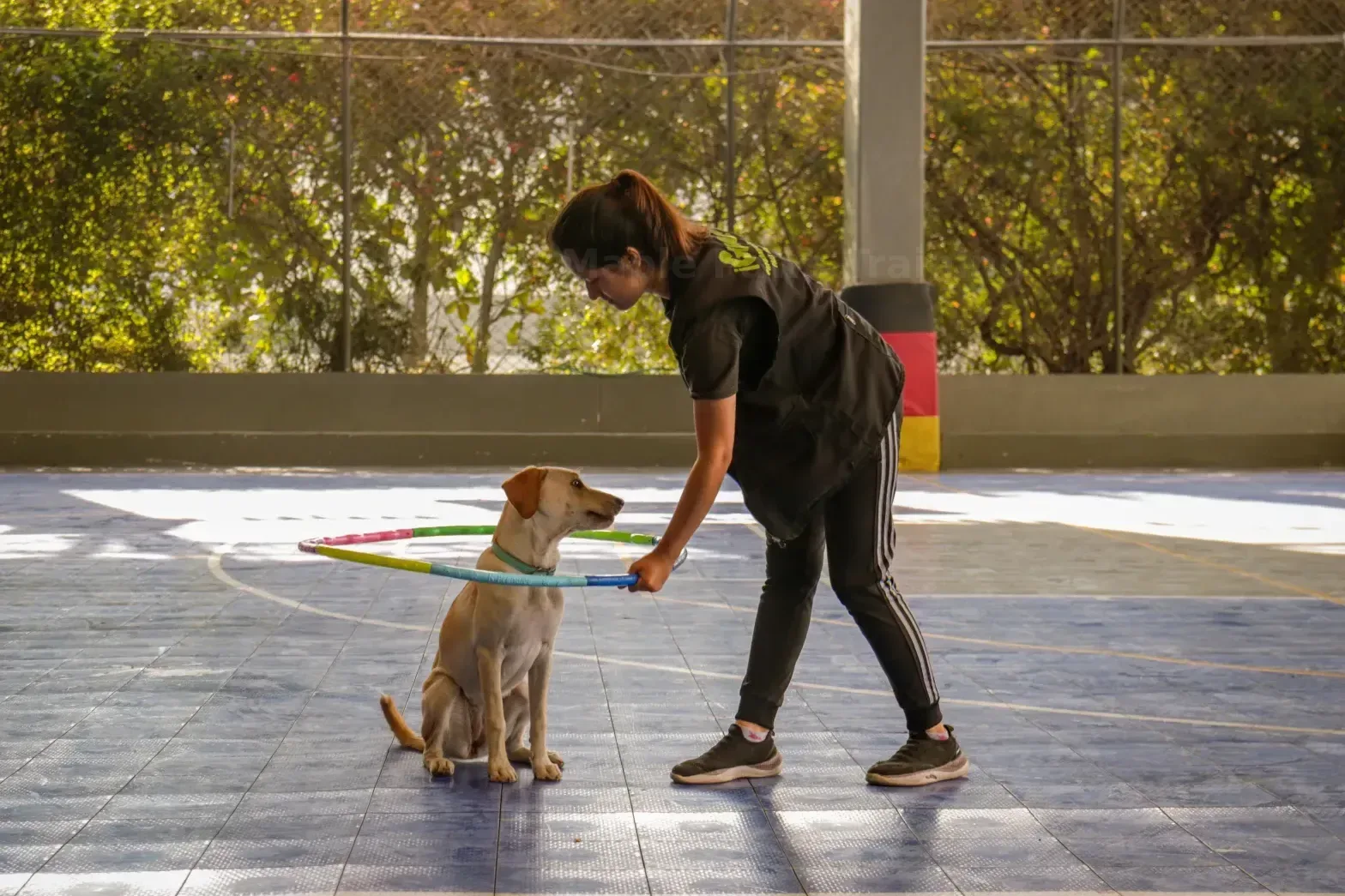
Maple Paws Training offers practical obedience guidance that fits your dog, your home, and your routine.
Get in Touch01
Maple Paws Training was created to give dog owners in Toronto a calmer, more practical way to work through training and obedience challenges at home and on walks. We focus on clear steps, positive reinforcement, and steady follow-through so dogs can learn what is expected without fear or confusion. Day to day, that means shaping good habits, coaching handlers, and adjusting plans to fit each dog’s age, temperament, and environment. We support puppies, adult dogs, rescue dogs, and families dealing with leash pulling, recall, jumping, barking, and other everyday behavior issues.

Kindness guides how we teach, because dogs learn best when they feel safe and understood. Consistency builds habits that last, and trust matters in every session so owners feel supported while they learn alongside their dogs.
02
Local work we take on
Typical work for this neighbourhood
Typical work for this neighbourhood
Typical work for this neighbourhood
Typical work for this neighbourhood
Typical work for this neighbourhood
Typical work for this neighbourhood
Typical work for this neighbourhood
03
From first message to the job
We start with a short conversation to learn about your dog, your goals, and any current obedience concerns. This helps Maple Paws Training understand whether you need puppy basics, leash manners, or support with everyday training at home.
Next, we look at your dog’s routine, triggers, and learning style so the plan fits real life in Canada, not just a training room. We also note household rules and any safety concerns so the approach stays practical and clear.
After the review, we create a focused training plan with simple exercises, handling tips, and realistic practice goals. The plan is designed to support better obedience through calm structure, consistency, and easy-to-follow guidance for your home and walks.
During sessions, we coach you through the exercises and show how to keep progress steady between visits. As your dog responds, we adjust the plan where needed so the training stays balanced, manageable, and suited to your daily routine.
04
Our facilities


05
Who you reach

Head Dog Trainer

Puppy Training Specialist

Client Support Trainer
07
Short updates

Loose-leash walking can make daily walks more enjoyable for both you and your dog. In this post, we share practical tips to help reduce pulling, improve focus, and build better habits step by step.

A predictable routine can help many dogs feel more secure at home and on outings. Learn how small changes in feeding, exercise, and quiet time may support a calmer day-to-day experience.

Positive reinforcement is a rewarding way to encourage good behavior and strengthen your bond with your dog. This article explains how timing, consistency, and clear communication can make training more effective.
08
Starting prices, quoted on site
This video presents a polished slideshow of our company’s services, highlighting the way we approach each project with attention to detail and a focus on quality. Viewers will get a clear sense of our capabilities, our process, and the value we bring to every client relationship.
Common questions
Maple Paws Training focuses on practical dog training and obedience support for everyday life. Sessions typically cover core manners, leash work, recall foundations, settling at home, and help with common behaviour concerns such as jumping or pulling.
A training service generally includes an assessment of your dog’s current behaviour, a plan tailored to your goals, and hands-on coaching during each session. You can also expect clear exercises to practice between sessions so the work stays consistent at home.
Pricing is typically quoted after a brief look at your dog’s current training needs, behavior, and the level of obedience work you want to focus on. A smaller, more straightforward training plan will usually cost less than a program that needs extra time, added practice, or a more individualized approach.
Several factors can influence cost, including the type of obedience goals, your dog’s age and behavior, and whether the training is one-on-one or part of a more structured plan. Travel time, session length, and any follow-up support can also change the final fee, so the estimate is based on the details of your situation.
The easiest way to begin is to reach out through the contact form or by phone with a few details about your dog and the training goals you have in mind. From there, we can suggest the next practical step and help you choose a time to connect.
09
Contact
2145 Danforth Avenue, Toronto, ON M4C 1K2, Canada
Phone: +1 (416) 782-9463
Email: [email protected]